

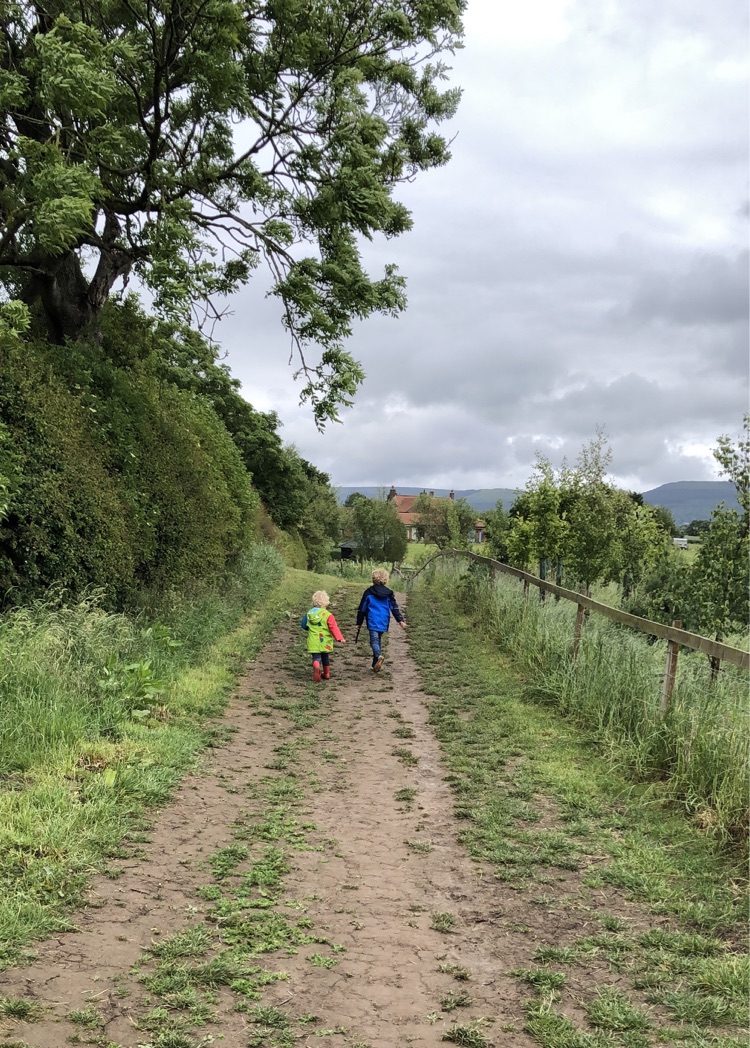
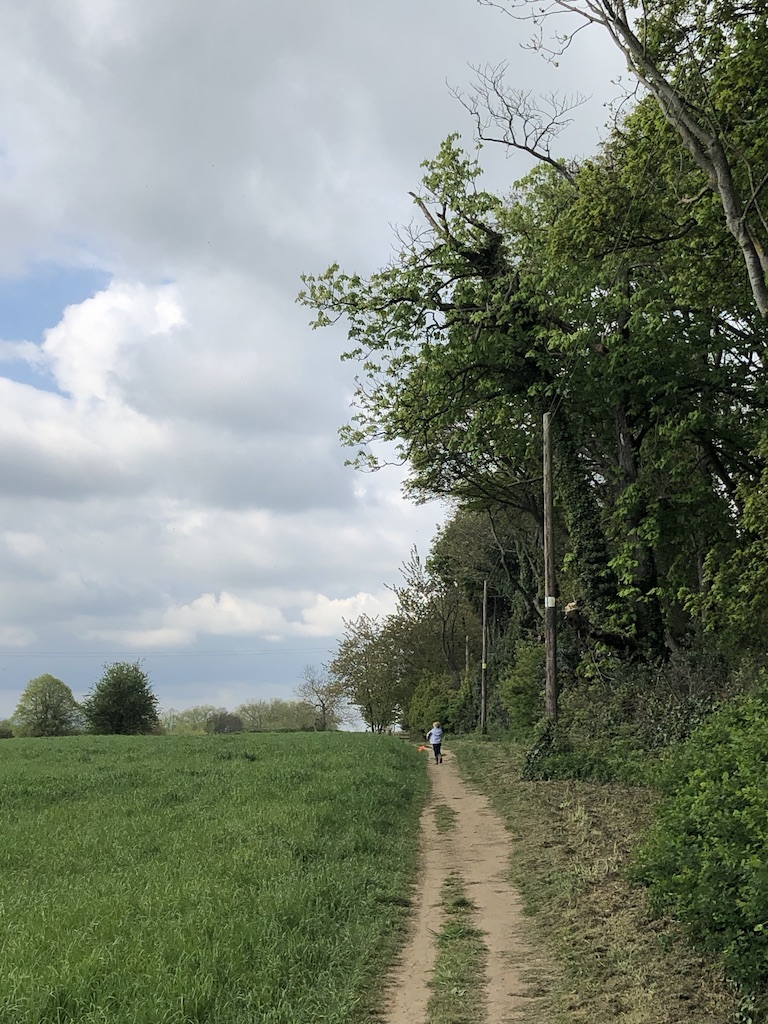
Hedgerows are not hedges – who knew?
Whereas hedges usually just have one species, with little biodiversity and wildlife, hedgerows typically have several plant species. As such, they improve biodiversity, protect from the wind, help stop soil erosion, offer food to local fauna, and adds beauty.
The best hedges for wildlife are thick and broadest at the bottom with a range of woody species such as hawthorn, blackthorn, field maple, hazel, spindle, wayfaring tree and wild service tree occasionally overtopped by oak and ash. Ramblers such as bramble and rose are frequent, together with climbing honeysuckle and wild clematis. At the foot of the hedge, thick herbaceous vegetation commonly includes species such as cow parsley and hedge mustard with coarse grasses, although sometimes woodland flora is found with bluebells and greater stitchwort.
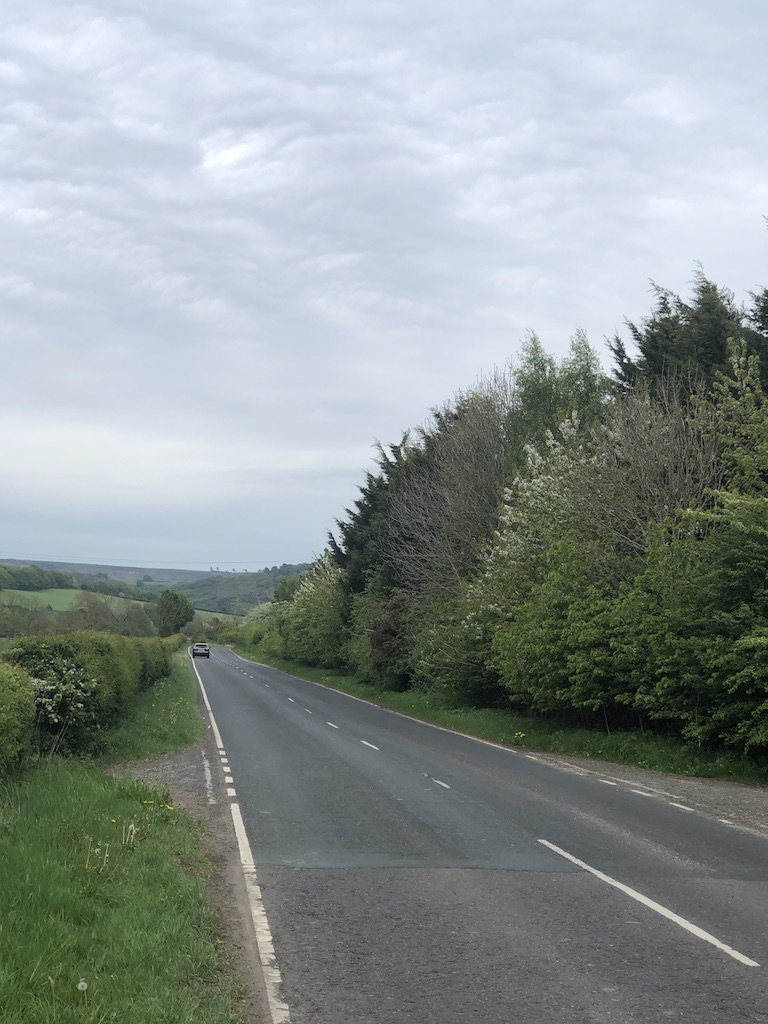
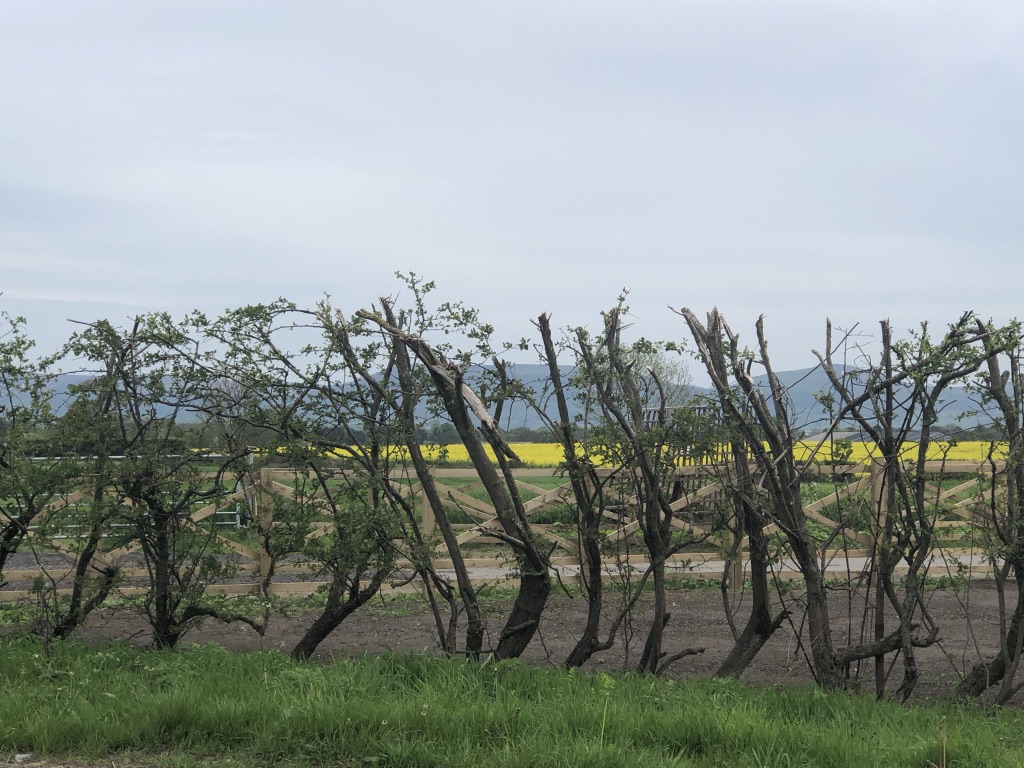
Unfortunately, we often see farm hedgerows cut back ruthlessly either by farmers, or the Environment Agency, leading to a loss of many of these benefits. Management isn’t standardised and some practices can be more damaging than others. Agricultural chemicals spread right up to the hedge foot and heavy or badly timed cutting can lead to physical damage and reduce the benefits to wildlife, people and climate.
It’s obviously important that they still serve as an effective barrier, particularly if keeping in livestock, and don’t grow to obscure visibilty on the roads, but we feel there are missed opportunities that would offer both ecological and financial benfits to local farmers.
What are these potential benefits?
Biodiversity
Hedgerows increases biodiversity by providing food and shelter for numerous species of birds and insects, as well as other animals. Those species benefit our area enormously.
Some scientists suspect they act as ecosystem anchors that can play host to more than 2,000 different species of plants and animals in a single year.
There are 130 Biodiversity Action Plan species closely associated with hedges including lichens, fungi and reptiles. Many more use them for food and shelter during some of their lifecycle. Bank vole, harvest mouse and hedgehog all nest and feed in hedgerows alongside birds including blue tit, yellowhammer and whitethroat, while bats use them as ‘commuter routes’ for foraging and roosting.
As well as providing food and shelter, hedges help species to move through our landscapes from one habitat patch to another. These wildlife corridors are vital for species like the rare hazel dormouse which struggle to cross large open areas like farmed fields.
Windbreaks
This may be the age-old reason to plant a hedgerow. Hedgerows can protect from inclement weather because they buffer fields and gardens from bad weather.
In the summer, wind can be extremely damaging to plants. The air removes moisture from the soil, causing stress, which can reduce flowering and fruit reduction. In winter, wind can cause burn on the foliage.
The effectiveness of buffering the wind depends on the height and type of hedgerow created. In general, if a hedgerow is ten feet tall, it will protect an area 100 feet out.
Water conservation
Hedgerows conserve water in two ways. First, by blocking the wind, they keep moisture in the soil. Second, the root systems of the trees and shrubs in your hedgerow collect and release water, assisting the plants around them.
Using native plants, in particular, helps save on irrigation costs since they tend to use less water. In periods of heavy rain trees and shrubs help absorb excess water so fields can more quickly dry out for spring planting.
Extra crops?
There really is nothing quite like a juicy, ripe blackberry – particlarly if found while out for a walk. Farmers clearly don’t want a bunch of random people wandering their fields picking fruit but, given how much families spend on soft fruit, particularly with young kids, you would be crazy not to capitalise on that.
Food for pollinators and pest control
Native and migratory birds eat many common insect pests that farmers migth otherwise have to control in other, less eco-friendly, ways.
Attracting pollinators to spring and summer blossoms can lead to bees making it their home and increasing adjacent crop yields. The sheltered habitat attracts insect-devouring birds which can reduce the cost to farmers of pesticides. They also attract insects like wasps which eat aphids and other unwelcome diners in a vegetable garden.
Government support
Whilst we are quick to bash the Government, and have no experience applying for grants and support, there are schemes in place to fund improvements in hedgerow biodiversity in the UK.
What can be done?
WildAyton would like to start some discussions with local farmers, to see what their views are on improving the biodiversity of Great Ayton by focusing on the hedgerows under their control.
We want to know what the barriers are to this, what is already being done and what WildAyton can do to help.
We’d love to get the local schools, as well as groups like Beavers, Brownies, Guides and Scouts involved and run a biodiversity project charting the plants and animals living here already so we can work out what the most effective interventions would be to improve the health of this small, but important part of Great Aytons natural repository.
Useful links
https://www.hedgelaying.org.uk/pg/info/styles.aspx
https://www.wildlifetrusts.org/habitats/farmland/hedgerow
https://www.woodlandtrust.org.uk/trees-woods-and-wildlife/habitats/hedgerows/
 WildAyton.uk